16th–18th centuries · Material culture
Chinese porcelain in New Spain
Thousands of pieces of Chinese porcelain crossed the Pacific on the galleon. Cargoes, archaeological finds in Mexico and California, and the figures on which the sources disagree.
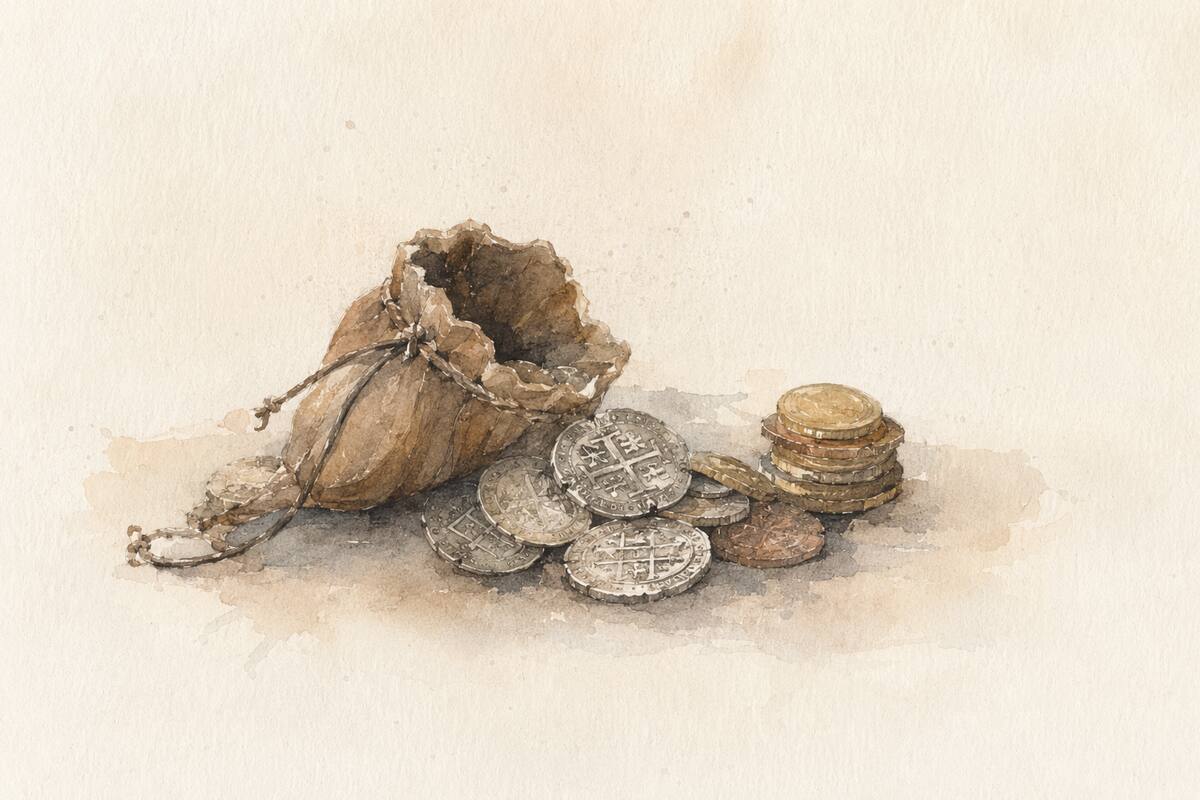
Porcelain was one of the most visible goods of the Manila Galleon. The first shipments of the 1570s already record thousands of pieces of fine Chinese ware, and for two centuries blue-and-white porcelain from Jingdezhen and Zhangzhou reached the tables, convents and homes of New Spain.
Today that story is also rebuilt through archaeology: fragments found in excavations in Mexico City, such as the convent of San Jerónimo, on beaches in Baja California and in wrecks such as the San Diego (1600) or the San Agustín in Drakes Bay, California (1595).
The figures for the earliest cargoes differ between sources: 22,300 pieces according to a period account and 22,500 according to a modern study, and it is not always clear they describe the same voyage.
91 statements19 sources1 discrepancies
Ask the atlas →What Chinese porcelain reached New Spain on the Manila Galleon?
Where the sources disagree
22,300 or 22,500 pieces of porcelain?
The cargo included 312 quintals of cinnamon, 22,300 pieces of fine porcelain, 1,300 pieces of cotton cloth worth 2 pesos each, and 930 arrobas of wax worth 15 pesos each.
On the second Manila Galeon to Acapulco, which occurred in the 16th century, 22,500 pieces of Chinese porcelain were transported. (machine-translated)
Two hundred pieces apart: it may be the same cargo quoted with a different figure, or a transcription error; it is not even clear that both sources refer to the same voyage.
Spotted while preparing this pageWhat the sources say
A selection of the corpus statements on this topic, grouped by source.
News from Western Islands (Blair & Robertson, Vol. III)
- The two ships that came from the Western islands brought 448 marks of gold of different carats, 712 pieces of silk, 312 quintals of cinnamon, 22,300 pieces of fine gilded porcelain and other types, 11,300 skeins of cotton, 930 arrobas of wax, and 334 arrobas of cotton thread.
El comercio de Nueva España con Filipinas, 1590-1785
- In 1776, porcelain accounted for 2% of the total imports in Acapulco. (p. 158, machine-translated)
- The total of imports during the period 1760-1785 in Acapulco was mainly composed of textiles, made clothing, textile mercery, cinnamon, pepper, clove, china and wax. (p. 154, machine-translated)
- In 1718, the Spanish Crown allowed the Manila trade to use its money on items such as cotton cloth, beeswax, pepper, cinnamon, crockery, and fruits from the Philippines. (p. 76, machine-translated)
Del Celeste Imperio a la Nueva España: importación, distribución y consumo de la loza de la China del periodo Ming tardío en el México virreinal
- The galleons included diverse items such as musk, benjuí, amber, algalia, porcelain ware, desks, wooden furniture, and ivory and bone artifacts. (p. 5, machine-translated)
- Subsequently, multiple pieces of Chinese porcelain arrived in New Spain that date from the periods of the emperors Yongzheng (1722‑1735), Qianlong (1735‑1796) and Jianqing (1796‑1820). (p. 7, machine-translated)
- Oriental porcelain most common in New Spain is Ming late period, with decline through the 17th century and small continuous volume until 1815. (p. 11, machine-translated)
Los sangleyes chinos en el comercio novohispano
- The first was lost on the voyage, and the second arrived in 1582: 'loaded with silks, porcelains, spices, iron, wax and other merchandise and they came on the king's account: quintals of cinnamon, pepper and cloves and quintals of iron'. (p. 201, machine-translated)
- Almost immediately, the English joined the import of Asian porcelain, with spoils from piracy and with the creation of the English East India Company (1608). (p. 224, machine-translated)
- From the 17th century (1602), the Dutch would join the import of Asian porcelain through the Dutch East India Company. (p. 224, machine-translated)
La ruta del Galeón de Manila historia comercial entre el Imperio Español, Filipinas y China
- The wreck of the San Diego in 1600 evidenced the combination of Jingdezhen and Zhangzhou porcelain in Spanish trade. (p. 4, machine-translated)
- The wreck of the Nan'ao No. in 1570 documented the presence of Jingdezhen and Zhangzhou porcelain in Spanish trade. (p. 4, machine-translated)
El Pacífico Hispanoamericano: política y comercio asiático en el Imperio Español (1680-1784)
- Another important item was ceramics, particularly fine porcelain decorated tableware and loose plates, cups, and tea sets. (p. 164, machine-translated)
El Itinerario Cultural del Galeón de Manila: Arte y Cultura México-Filipinas
- In 1635, the tile guild established that the typical tile of Puebla should imitate Chinese porcelain. (p. 4, machine-translated)
Frequently asked questions
What kind of porcelain did the Manila Galleon carry?
Mostly blue-and-white porcelain made in Jingdezhen and in the Zhangzhou kilns of southern China, plus export pieces made for European and American tastes.
Where have remains of that porcelain been found?
In excavations in Mexico City, at sites along the Pacific coast and in galleon wrecks such as the San Diego, sunk in the Philippines in 1600, and the San Agustín, lost in Drakes Bay (California) in 1595.
How this page was made: the introduction was written with AI assistance from the project's corpus and checked against its sources. The statements listed are paraphrases extracted automatically from each source (and translated when the source is in another language); they may contain errors, so check the linked original source. Last updated: 2026-10-19.