16th–18th centuries · Society and trade
The sangleys and the Parian of Manila
Who the sangleys were, how the Parian of Manila worked and why Chinese merchants drove the Manila Galleon trade, according to primary sources and studies.
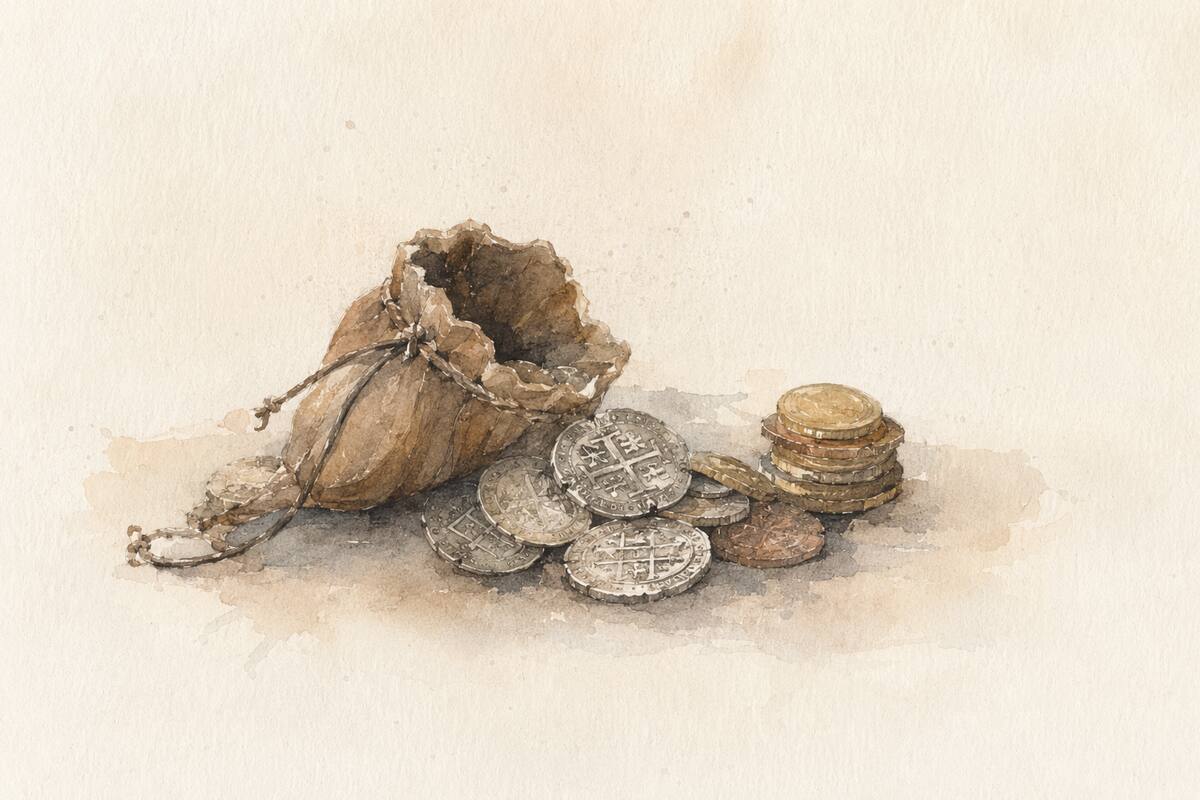
The Spanish called “sangleys” the Chinese who came to Manila, mostly from Fujian, to trade and work. Without them there would have been no Manila Galleon: they brought the silk, porcelain and other goods the galleons loaded for Acapulco, and supplied the city with crafts and food.
To control them, the authorities concentrated them in the Parian, a market quarter next to the city walls. According to documents from the early 1590s, between two and four thousand sangleys lived there, a number that rose and fell with the arrival of the junks. The relationship was tense: tribute and restrictions, pressure to convert, and uprisings harshly repressed in the seventeenth century.
The sources also differ on specific episodes, such as the revolt of the Chinese rowers who killed Governor Gómez Pérez Dasmariñas aboard his galley in 1593.
277 statements45 sources2 discrepancies
Ask the atlas →What role did the sangleys of the Parian play in the Manila Galleon trade?
Where the sources disagree
Who took control of Dasmariñas's galley in 1593?
The three Spaniards, aided by the Chinese, made themselves masters of the junk.
The Chinese rowers took possession of the ship, killed the governor and almost all the Spanish. (machine-translated)
Two accounts of who took control of the vessel when the Chinese rowers rose up in 1593. They are best read in context: it is not clear they refer to exactly the same moment.
Detected automatically · not yet reviewedHow many sangleys lived in the Parian?
The Sangleys who live in the Parian of Manila number ordinarily between three and four thousand, not counting the more than two thousand who come and go in ships.
The Parian contains about two thousand Sangleys, more or less, with their judge and governor.
Two documents from the early 1590s give different figures for the Parian's population. It rose and fell with the seasonal arrival of the junks and with periodic expulsions, and people passing through were not always counted.
Spotted while preparing this pageWhat the sources say
A selection of the corpus statements on this topic, grouped by source.
The Chinese and the Parian (Blair & Robertson, Vol. VII)
- Four of the Dominican religious are engaged in ministering to the Sangleys; two officiate in the church of Sant Gabriel near the Parian, and another church with its house is on the promontory of Baybay, near Tondo.
- The Dominican friars built a hospital for the Sangleys of the Parian, which subsists only on alms and contributions from the Sangleys themselves.
- Diego Ronquillo transferred the Sangleys to the Parian in Manila.
The Chinese and the Parian (Blair & Robertson, Vol. VII)
- On Tuesday, May 22, 1590, two Sangleys knelt before the altar at the Parian church, held hands, and embraced, swearing friendship and fidelity before the fathers embarked.
Tello to Felipe II (Blair & Robertson, Vol. X)
- I permitted them to rebuild their Parian, one hundred paces farther from the city. (p. 43)
Tello to the King (Blair & Robertson, Vol. X)
- It has four hundred pesos of perpetual income, and as much more temporarily from a shop in the Parian of the Sangleys. (p. 249)
La audiencia de Manila y los chinos de Filipinas. Casos de integración en el delito
- In 1666, the Archbishop of Manila, Miguel Pobrete, ordered that the pastoral administration of the sangleyes of Santa Cruz, Parián and Binondo be entrusted to the religious of the Dominican Order and the Society of Jesus. (p. 19, machine-translated)
- The Royal Cédula of 1702 did not consider that the Parián authorities and some governors were exploiting the sangleyes' fondness for the metua games to cause problems. (p. 29, machine-translated)
- The audiencia allowed the Sangleyes to stay in the Parían, despite the council's desire to reduce the granting of licenses. (p. 22, machine-translated)
Los sangleyes chinos en el comercio novohispano
- These Chinese workers arrived in Acapulco with Christian names and were later employed as merchants or sangleyes by the large warehouse owners of the Parián in Mexico City. (p. 231, machine-translated)
- The protest of the Sangleys forced the authorities to return the Parián to its original settlement. (p. 144, machine-translated)
La Virgen de la Paz y Buen Viaje de Antipolo (Filipinas), Patrona del Galeón de Manila, una advocación jesuítica
- The Chinese, referred to as sangleyes, were already in Manila before the arrival of the Spanish, concentrating in the extramural neighborhood called Parián de los Sangleyes. (p. 16, machine-translated)
- Murillo Velarde describes the Parián de los Sangleyes neighborhood as a place with great abundance of goods and curiosities for human life. (p. 16, machine-translated)
Juan Niño de Tavora
- had a bridge built to connect the sangley's parian with the city (machine-translated)
Frequently asked questions
What does “sangley” mean?
It was the term Spaniards in the Philippines used for the Chinese, to set them apart from the native population of the archipelago. It is usually explained as coming from a Fujianese expression related to trade.
What was the Parian of Manila?
The quarter and market where the Spanish authorities required the sangleys to live and trade, next to the city walls. The goods that later crossed the Pacific on the galleon were bargained for there.
How this page was made: the introduction was written with AI assistance from the project's corpus and checked against its sources. The statements listed are paraphrases extracted automatically from each source (and translated when the source is in another language); they may contain errors, so check the linked original source. Last updated: 2026-10-19.